
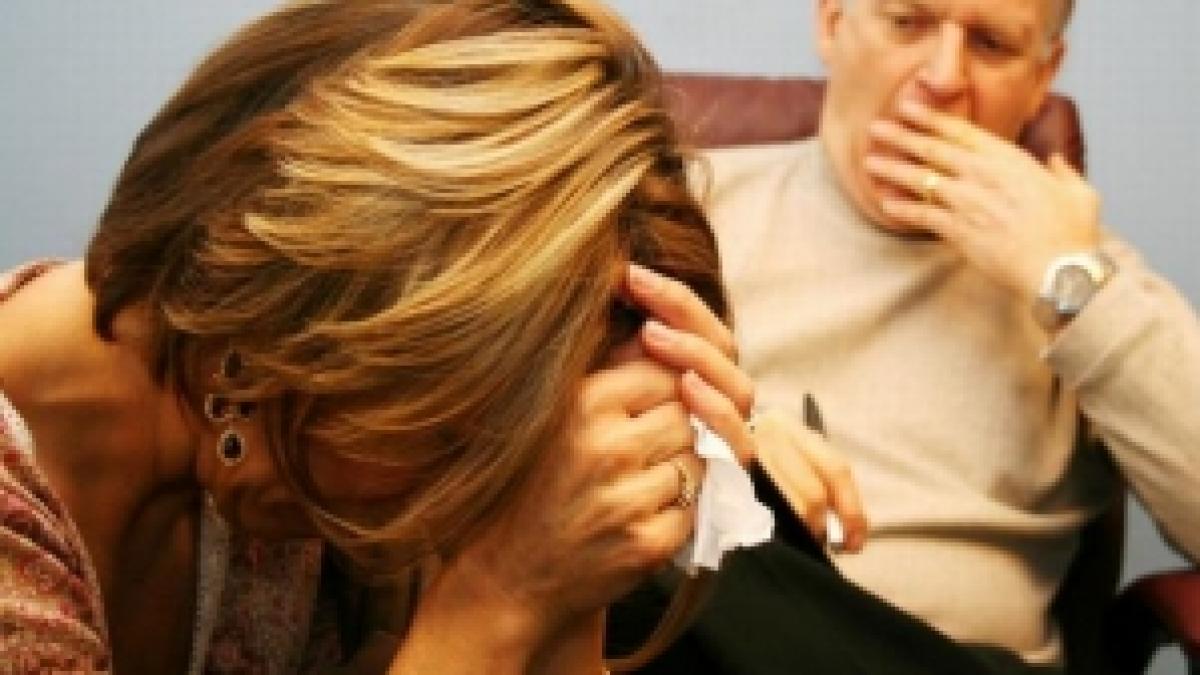

Romania is one of the states recording high rates of unemployment, crime, drug use, and a large number of traffic accidents, divorces and chronically ill patients as a direct result of the economic and social crisis.
Also in Romania of 2013 there aren’t any psychological support programs for psychologically vulnerable categories who should benefit of psychological assistance provided or reimbursed by the social health insurance system. Vulnerable persons include autistic children and their families, people with disabilities, teachers, people with addictions, accused and defendants during criminal prosecution and judgment, the terminally ill, the unemployed, minors at risk of school dropping, children whose parents are working abroad, and people who go through a divorce or who have had an accident.
CRP Chairman, Michael Anitei also reported that the number of psychologists employed in the health care system is insufficient in relation to the number of patients and that the authorities tolerate the illegal practice of the psychological act by accepting psychological opinions and reports issued by unauthorized vendors.
"In these circumstances, psychological practices are suffocated by the illegal practice existing in the market, and the consumer rights of psychological services beneficiaries are severely violated," added Aniţei.
In this context, CPR calls on the authorities to urgently adopt and facilitate, as appropriate, the following measures: the direct reimbursement of psychological services needed for the Romanian population, the support and implementation of record keeping and securing of the practice permits and of psychological reports and adopt the National Psychological Support Plan.
The College of Psychologists in Romania will develop over the next period a draft national program of psychological support of the Romanian population, which they will submit to the Government.
The study presented by CPR was conducted between June 19-July 1, 2013 by AB Research Group Romania at national level, on a representative sample of 1,000 respondents aged between 18 and 60 years.
Ştiri video recomandate