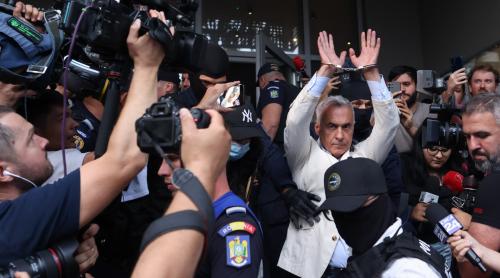

On August 8, 2014, during the judicial vacation, the panel of judges consisting of Camelia Bogdan and Alexandru Mihalcea delivered the final verdicts in the ICA case: 12 people, including Dan Voiculescu and Professor Gheorghe Mencinicopschi, were sentenced to a total of 67 years in prison. The appeal trial lasted 12 days, with only four court hearings. It seemed like a predetermined decision. Today, 11 years later, there is countless evidence suggesting that behind this judicial setup there was a system that worked together to get an exemplary conviction at a tense political moment.
Former Romanian President Traian Băsescu was the moral architect of this case. He pushed to reopen a case that had already been closed by the General Prosecutor's Office as a way to take revenge on Dan Voiculescu, who had been behind his suspension in 2007. Băsescu publicly pushed for a conviction and later said he knew the verdict three days before it was announced. In 2022, the High Court ruled that the former president had collaborated with the Securitate, providing intelligence reports under the code name "Petrov." Furthermore, the courts found that at least one of his election campaigns, that of 2009, was financed with money received as bribes.
At the same time, behind the scenes of the intelligence services, General Florian Coldea, deputy director of the SRI at the time, played a decisive role. Just a few months after the conviction, Laura Codruța Kövesi, chief prosecutor of the DNA, admitted that the arrest of Judge Stan Mustață, who was to hear the appeal in the ICA case, had been requested by the SRI on the grounds that the magistrate "wanted to postpone the trial". Coldea, who resigned from the SRI in 2017 following the scandal involving Sebastian Ghițtă, is currently charged and on trial by the DNA for forming an organized criminal group, traffic of influence, and money laundering. Today, the general who commanded operations from the shadows is being investigated by the justice system he once led.
Another key figure is Emilian Eva, the prosecutor who brought the case to court. He was specially brought in from Iași to the DNA in Bucharest and drafted the indictment together with specialist Aurelia Nicolae, estimating huge damages that experts considered completely unsustainable. In 2023, Eva was finally sentenced to two years and 11 months' suspended imprisonment for corruption: he took bribes to close cases and was found guilty of making false statements and engaging in commercial activities incompatible with his position. He was subsequently permanently removed from the judiciary.
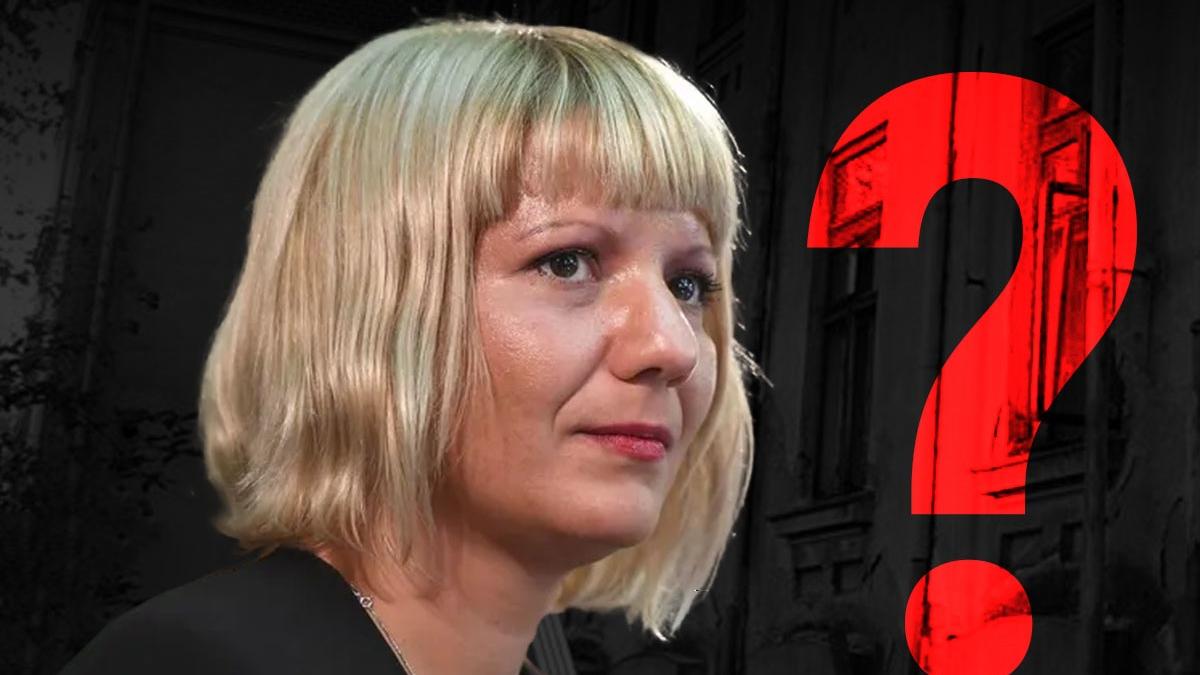
Judge Camelia Bogdan, who was appointed in a non-transparent manner to hear the appeal, has been excluded from the judiciary twice. The first time was in 2017, for a conflict of interest: she had received money for a course organized by the Ministry of Agriculture, which was a party to the case. The second exclusion, in 2018, came after it was proven that she had falsified the random allocation of a case in the ECRIS system, constituting a ghost panel. In 2022, the High Court definitively confirmed the loss of her status as a magistrate.
Lastly, Monica Macovei, Minister of Justice at the time when the ICA case was reopened and a fervent supporter of the conviction, was herself finally sentenced in 2024 to six months suspended imprisonment for bodily harm after seriously injuring a motorcyclist and lying in her statements.
Professor Mencinicopschi died in 2022 after falling ill in detention. In contrast, those who orchestrated the trial ended up, one by one, outside the law or the judiciary. However, none of them were held accountable for the abuses committed in connection with this case.
Today, 11 years after that judicial farce, the ICA case is back in court, with a request for review pending before the Bucharest Tribunal.